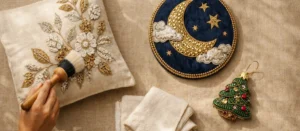
Walk into any modern home today, and you’ll notice a shift. People are moving away from cookie-cutter interiors and gravitating toward spaces that feel personal, warm, and meaningful. At the heart of this shift is a growing preference for handmade home décor over mass-produced alternatives.
Handmade décor isn’t just about aesthetics—it’s about craftsmanship, sustainability, emotional connection, and long-term value. Whether you’re decorating a new home, refreshing a room, or building a more intentional lifestyle, understanding the difference between handmade and mass-produced décor can completely change how you design your space.
This guide breaks down why handmade home décor is better, who it’s best for, and how it elevates your living environment in ways factory-made items simply can’t.
What Is Handmade Home Décor?
Handmade home décor refers to items crafted by skilled artisans using traditional techniques, specialized tools, and human creativity rather than automated assembly lines.
Common handmade décor items include:
-
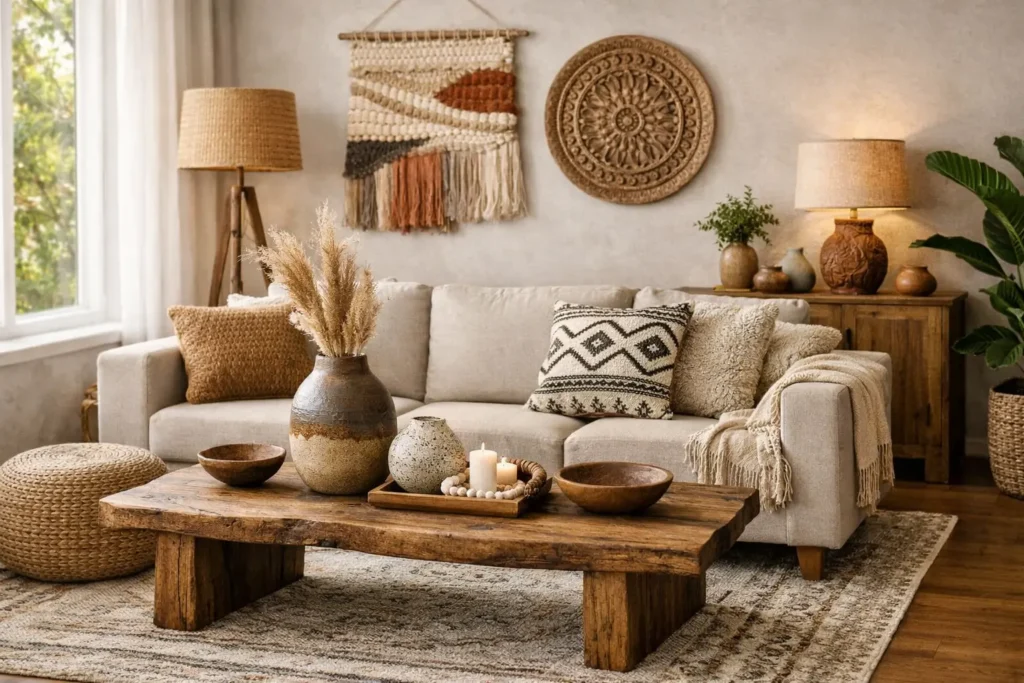
Hand-thrown pottery and ceramics
-
Handwoven rugs and wall hangings
-
Hand-carved wooden furniture
-
Hand-painted wall art
-
Artisan lighting fixtures
-
Natural fiber baskets and textiles
Each piece is shaped, finished, and refined by human hands—often taking hours or days to complete.
What Is Mass-Produced Décor?
Mass-produced décor is manufactured in large quantities using machines, molds, and standardized processes. These items are designed for speed, scale, and uniformity.
Typical characteristics include:
-
Identical designs across thousands of units
-
Synthetic or low-cost materials
-
Minimal craftsmanship
-
Short product life cycles
-
Trend-driven aesthetics
While mass-produced décor is often cheaper upfront, it comes with hidden trade-offs.
Handmade vs Mass-Produced Décor: Quick Comparison
| Feature | Handmade Home Décor | Mass-Produced Décor |
|---|---|---|
| Uniqueness | One-of-a-kind | Identical replicas |
| Craftsmanship | High skill & detail | Machine-made |
| Durability | Long-lasting | Often disposable |
| Sustainability | Eco-conscious | High environmental impact |
| Emotional Value | Strong personal connection | Minimal |
| Cost Over Time | Better long-term value | Frequent replacements |
1. Handmade Home Décor Is Truly Unique
No two handmade pieces are ever exactly the same.
Small variations in texture, color, shape, or pattern are not flaws—they’re signatures of authenticity. These imperfections give your home character and individuality.
Mass-produced décor, on the other hand, is designed to look the same everywhere. Walk into five different homes and you’ll often see the same vases, frames, or wall art repeated again and again.
With handmade décor:
-
Your space reflects you, not a catalog
-
Your home stands out naturally
-
Each item has its own story
2. Superior Craftsmanship and Quality
Artisans take pride in their work. They focus on details that machines overlook—balanced proportions, refined finishes, and structural integrity.
Handmade décor is often:
-
Built slowly and intentionally
-
Checked and refined at every stage
-
Designed to age gracefully
Mass-produced décor prioritizes speed and cost efficiency. Thin materials, glued joints, and fragile finishes are common.
The result?
-
Handmade décor lasts for years (or decades)
-
Mass-produced décor often breaks, chips, or fades quickly


3. Sustainable and Eco-Friendly Choice
Handmade home décor is inherently more sustainable.
Most artisans:
-
Use natural or responsibly sourced materials
-
Produce in small batches
-
Avoid excessive packaging
-
Reduce industrial waste
Mass production relies heavily on:
-
Plastic-based materials
-
Chemical finishes
-
Large-scale shipping emissions
-
Overproduction and disposal
By choosing handmade décor, you support:
-
Lower carbon footprints
-
Reduced waste
-
Ethical production practices
This makes handmade décor ideal for eco-conscious homeowners.
4. Supports Local Artisans and Small Businesses
Every handmade piece directly supports a real person—not a factory or corporation.
When you buy handmade décor:
-
You sustain traditional skills and crafts
-
You empower independent makers
-
You contribute to local and global artisan communities
Mass-produced décor often benefits large corporations while offering minimal economic return to workers.
Your purchase becomes more than décor—it becomes impact.
5. Emotional Value and Storytelling
Handmade décor carries meaning.
Knowing who made an item, how it was crafted, and why it exists adds emotional depth to your home. These pieces often become:
-
Conversation starters
-
Heirlooms
-
Sentimental favorites
Mass-produced décor rarely holds emotional value. It’s easily replaceable—and often forgotten.
Handmade pieces feel personal because they are.
6. Better Long-Term Value
While handmade home décor may cost more upfront, it offers better value over time.
Why?
-
Higher durability means fewer replacements
-
Timeless designs don’t go out of style
-
Quality materials age beautifully
Mass-produced décor often requires:
-
Frequent replacements
-
Trend-based updates
-
Continuous spending
Handmade décor is an investment—not an expense.
7. Healthier Living Spaces
Many mass-produced décor items use:
-
Synthetic paints
-
Chemical sealants
-
Toxic adhesives
Handmade décor frequently uses:
-
Natural finishes
-
Low-VOC paints
-
Traditional, non-toxic methods
This creates healthier indoor environments—especially important for families, children, and allergy-sensitive individuals.
“Handmade décor doesn’t fit modern interiors”
False. Many artisans create minimalist, contemporary designs that blend seamlessly with modern spaces.
“It’s too expensive”
Handmade décor often replaces multiple low-quality items over time, saving money long-term.
“It’s hard to find”
With online artisan marketplaces and local craft studios, handmade décor is more accessible than ever.
How to Incorporate Handmade Décor Into Your Home
You don’t need to overhaul everything. Start small:
-
Replace mass-produced wall art with handmade paintings
-
Add a handwoven rug or cushion
-
Use handcrafted pottery as functional décor
-
Choose artisan lighting or wooden accents
Mixing handmade pieces with existing décor instantly adds warmth and depth.
Best Use Cases for Handmade Home Décor
-
Living rooms needing personality
-
Bedrooms seeking warmth and calm
-
Entryways that make a strong first impression
-
Workspaces that inspire creativity
-
Gifting meaningful, long-lasting items
Frequently Asked Questions (FAQs)
1. Is handmade home décor more durable?
Yes. Handmade pieces are crafted with care, stronger materials, and better construction methods.
2. Does handmade décor suit minimalist homes?
Absolutely. Many handmade items feature clean lines, neutral tones, and simple forms.
3. How do I maintain handmade décor?
Follow care instructions. Most items only require gentle cleaning and proper placement.
4. Is handmade décor eco-friendly?
Yes. It typically uses natural materials, small-scale production, and sustainable processes.
5. Can handmade décor be customized?
Often, yes. Many artisans offer customization in size, color, or finish.
6. Why does handmade décor cost more?
You’re paying for skill, time, ethical labor, and high-quality materials—not mass automation.
Conclusion: Choose Meaning Over Mass
Handmade home décor is more than decoration—it’s expression, intention, and connection. It tells a story, supports real people, protects the environment, and transforms houses into homes.
While mass-produced décor may offer convenience, handmade décor delivers authenticity, durability, and soul.
If you want your space to feel personal, timeless, and genuinely yours, handmade décor isn’t just better—it’s worth it.